Goro, once a small settlement of reed huts located on the right bank of the Po, is now a characteristic fishing village with a modern port that also boasts an interesting tourist development.
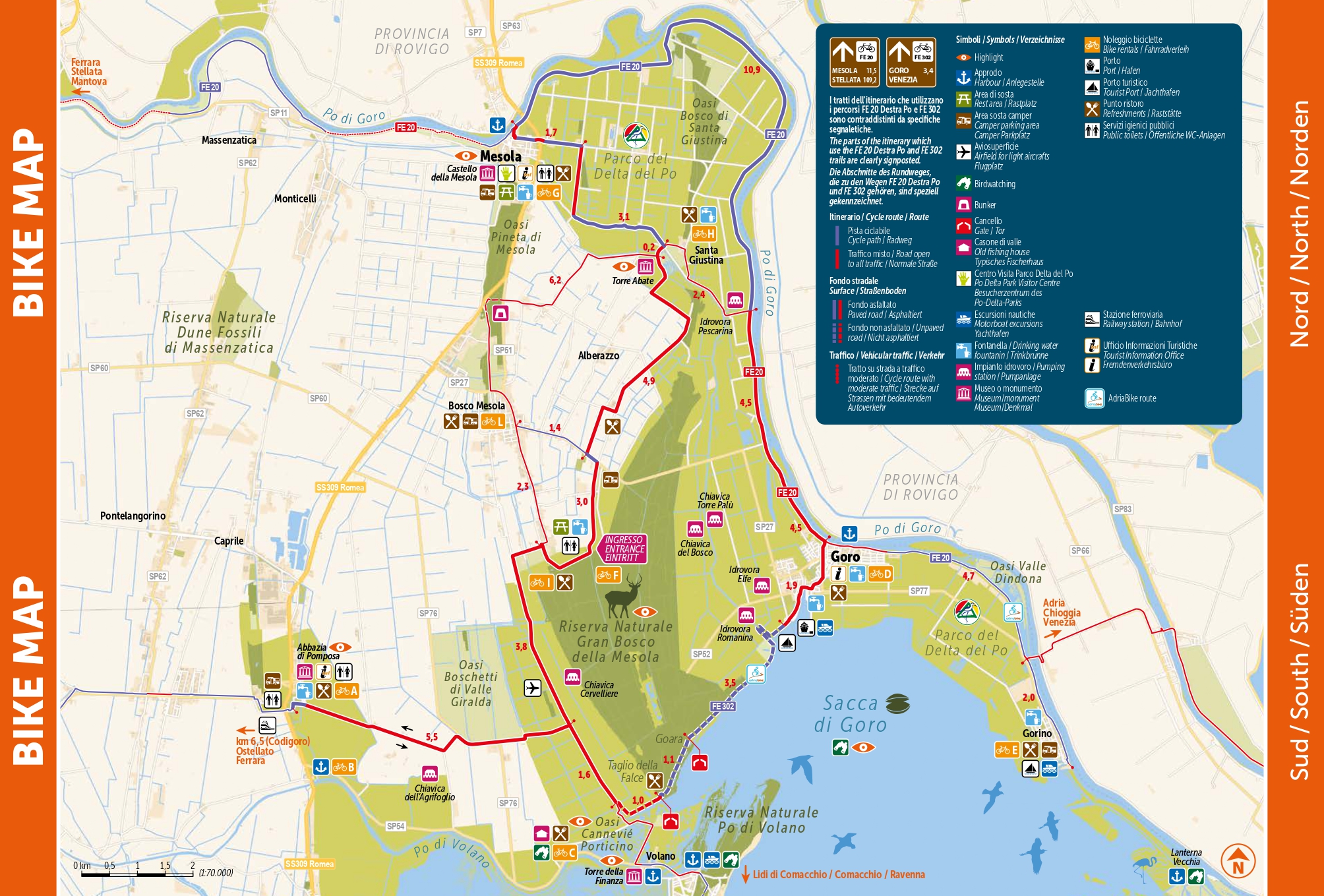
Mesola - Goro - Pomposa - Mesola
A circular route that will introduce you to some of the most characteristic aspects of the Po Delta Park.
Starting from
Mesola
Tour length
52km
Duration
3h28
Suitable for
Hikers
Transport methods
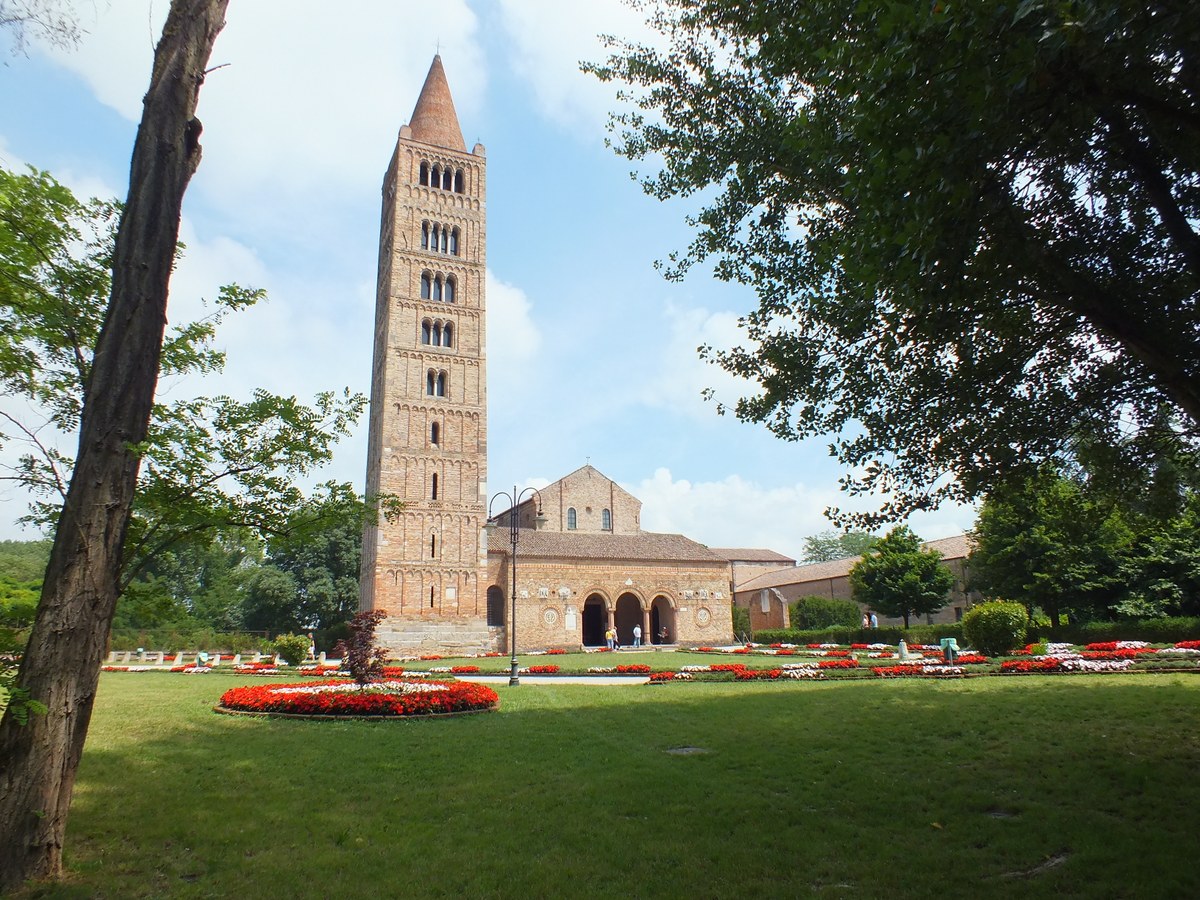
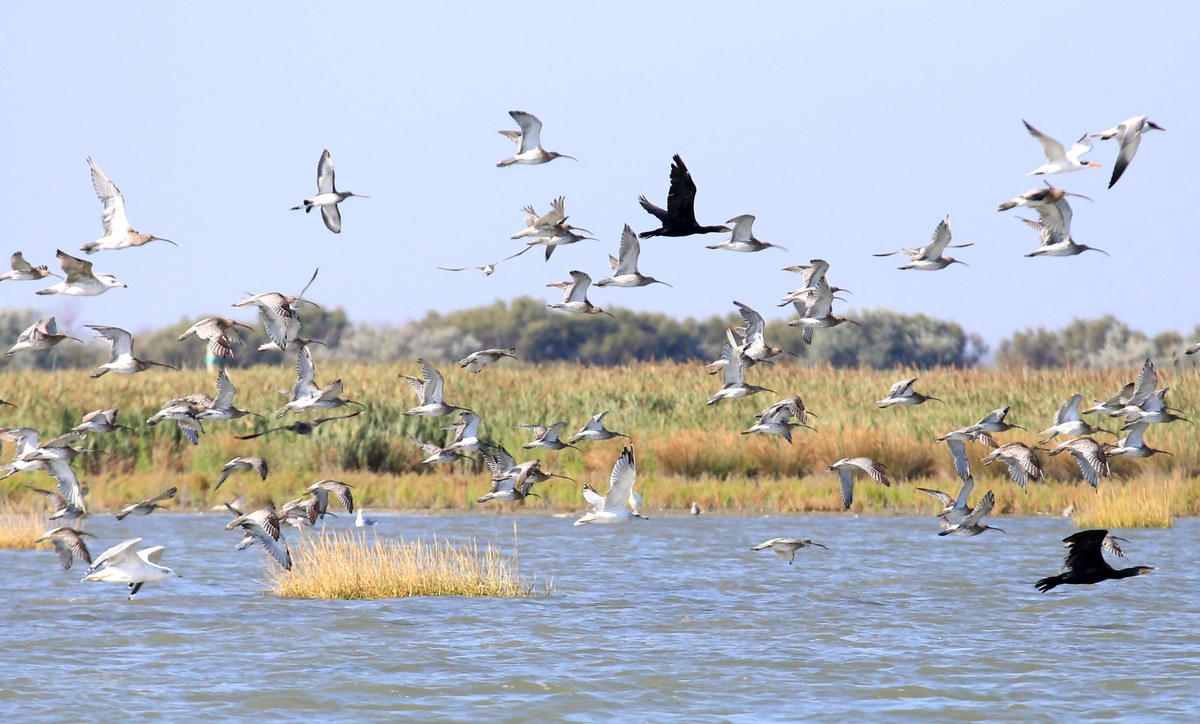
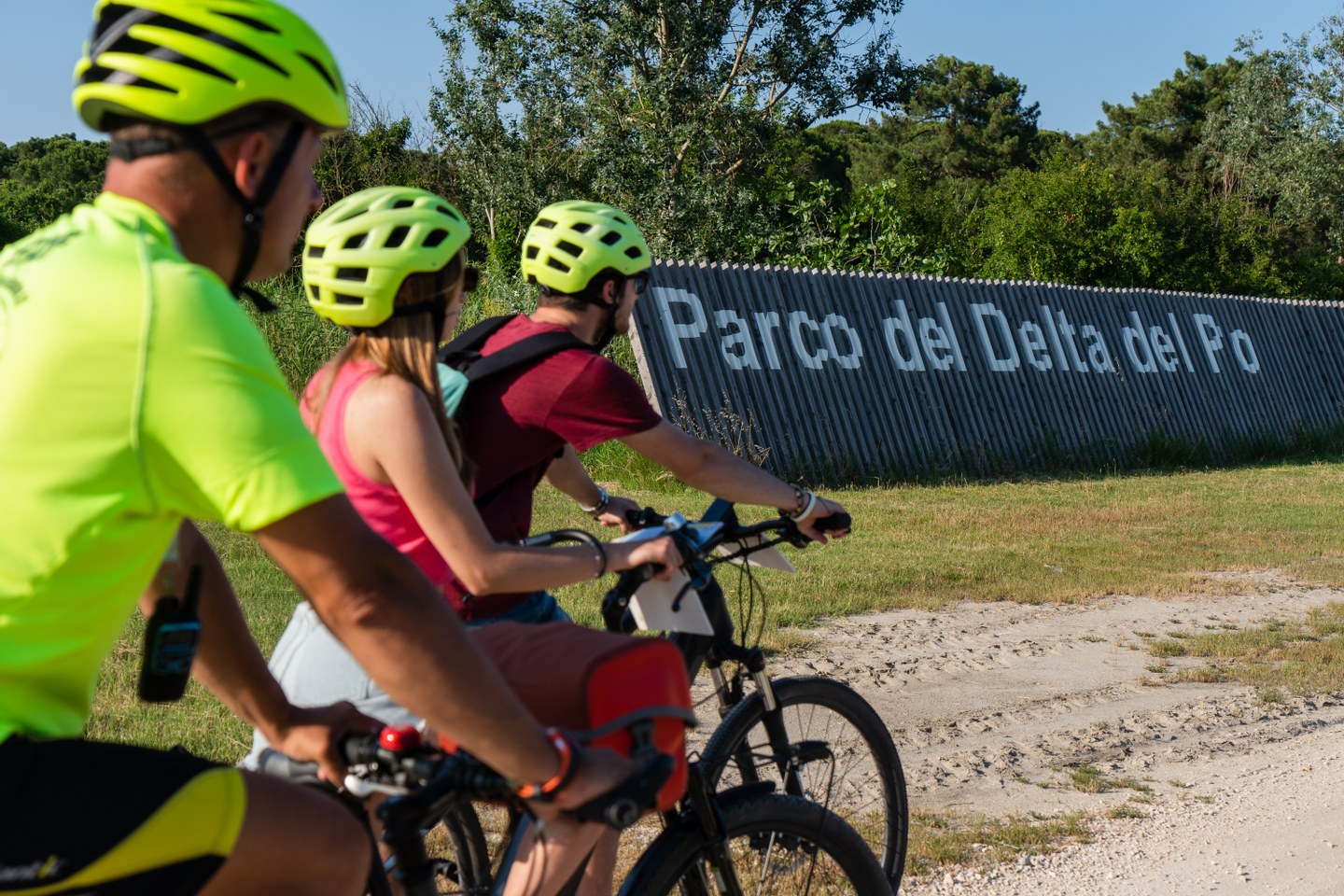
The Po Delta Park has surprises and charm in store for those who venture out to discover it: cycle paths along the river, trails through the woods, country roads in a landscape rich in architectural beauty such as the thousand-year-old Abbey of Pomposa and Castello Estense della Mesola. Embankments, locks, canals, and natural oases accompany cyclists on their way to the marinas of Goro and Gorino where the Po meets the sea.
Caratteristiche tecniche
Mesola 44°55'23.55" N / 12°13'50.23" E
Mesola 44°55'23.55" N / 12°13'50.23" E
52,0 km
3h 28' (15km/h) 1h 29' (sport)
40% cycle path / 60% mixed traffic
89% paved / 11% unpaved
Medium-length itinerary, partly marked FE30, FE302, FE20. Mainly paved surface with some dirt sections and a sandy section of about 1 km in the Mesola Forest. Route also suitable for mountain bikes. This itinerary is described in the Bike Map “Attorno al Bosco della Mesola,” which includes variations and routes for exploring the northern part of the Po Delta Park (scale 1:70,000).
The many faces of the Delta
The history of the Delta's inhabitants, which has always been linked to the river's fortunes, has been strongly influenced by changes in its course. The creation of new riverbeds has generated new opportunities for settlement along its banks and, consequently, for economic and social life. The Po has been a source of water, fishing, irrigation, and communication
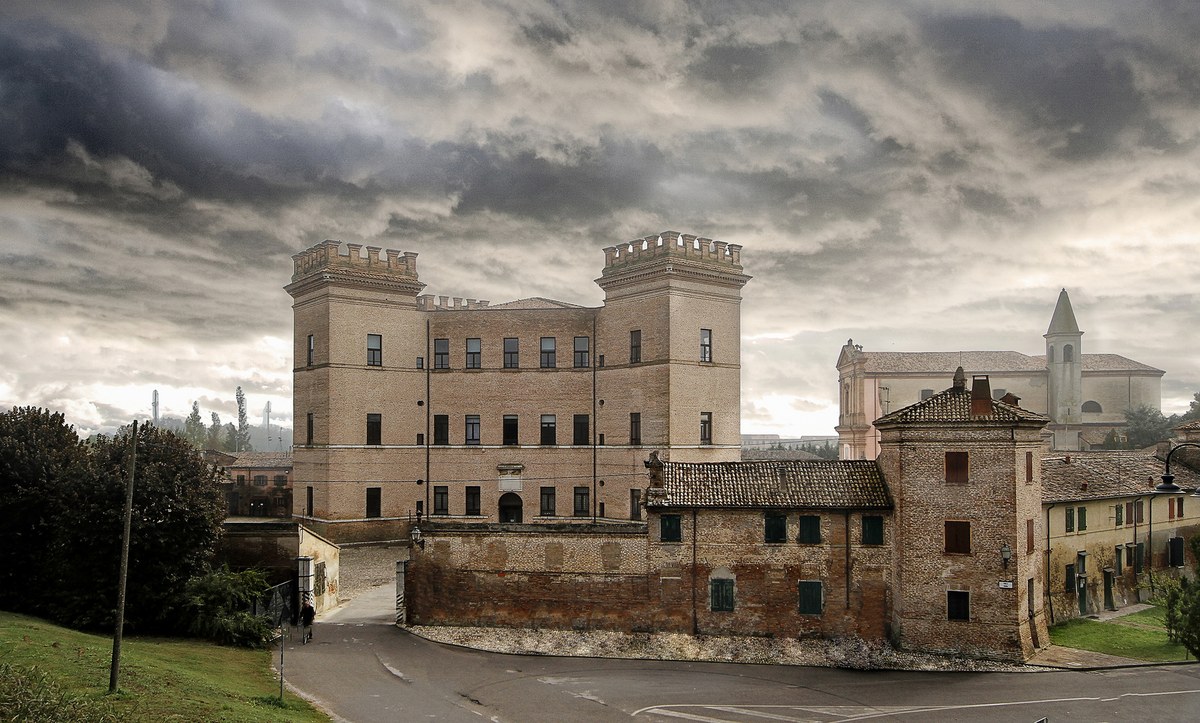
Step 1
Mesola
The village of Mesola began to flourish thanks to the land reclamation undertaken by the Este family in the 16th century. The estate, which had been occupied by the sea until the 10th century, was purchased by the House of Este at the end of the 15th century to build one of their country residences, known as Delizie. The village developed around the elegant and majestic Castello Estense, built by Alfonso II at the end of the 16th century.