An itinerary that combines the silence of the woods, the life of the wetlands and the breath of the sea.
Duration
1-2 days
Transport methods
A route to be enjoyed on foot or by bike, through different but harmoniously connected environments.
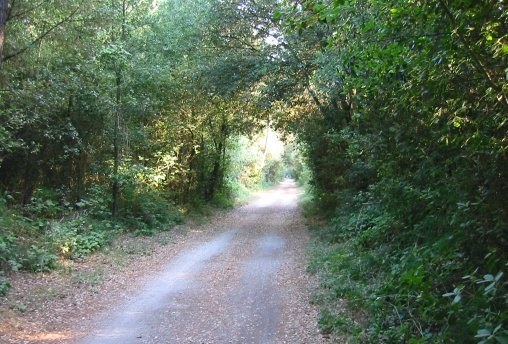
The itinerary starts from Bosco di Santa Giustina, where the lowland forest preserves a lush undergrowth rich in life: ferns, shrubs, and centuries-old trees create a dense and humid environment that recalls the original appearance of the Po Valley.
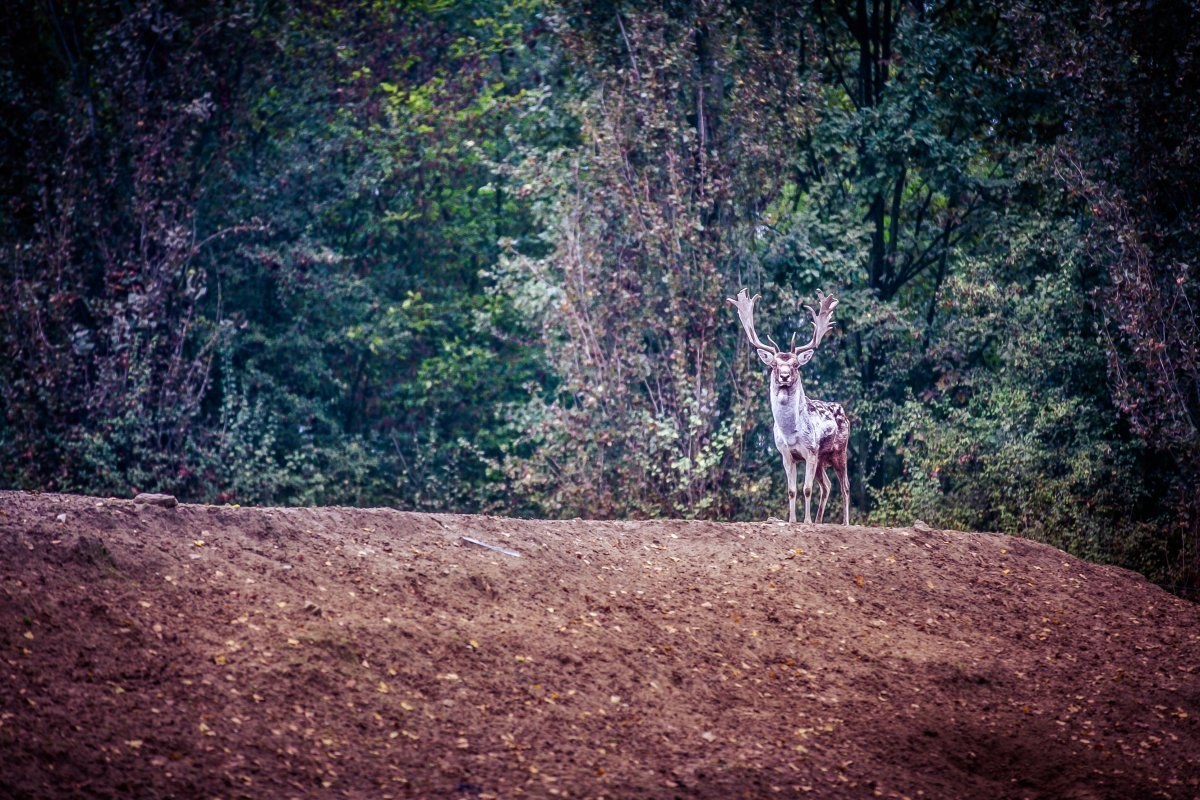
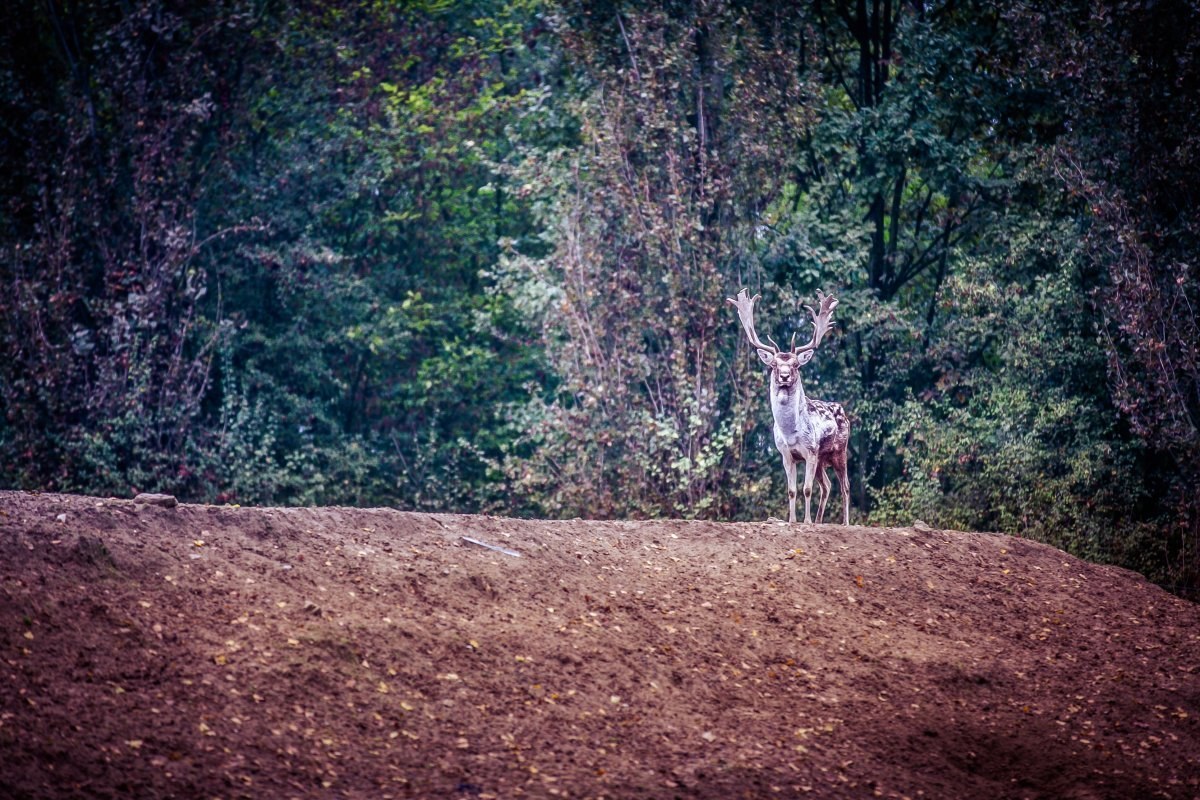
The route continues towards Bosco della Mesola, also a lowland forest, but with a different appearance: here the undergrowth is almost absent, grazed by the famous Mesola deer, symbol of this area and silent protagonist of forest life.
The itinerary ends in Pineta di Volano, where the landscape changes again: maritime and domestic pines alternate with sand dunes and wetlands, in an environment that smells of sea and resin.
Lowland forests and coastal pine forests
Lowland forests are woods that grow in flat areas, once very common in the Po Valley. They are characterized by oaks, elms, and ash trees, and dense undergrowth that provides shelter for numerous animal species. The coastal pine forest, on the other hand, is typical of coastal areas, where maritime and italian stone pines alternate with maquis shrubland and sand dunes, creating a picturesque and harmonious landscape, in perfect balance between land and sea.
Step 3
La Pineta di Volano
Pineta Demaniale of Po di Volano, part of the Po di Volano Nature Reserve, covers 170 hectares along 6 km of sandy shore formed by marine sand deposits. Reforested in the 1930s with maritime and italian stone pines, it was restored after the damage caused by the 1966 flood. Tamarisk grows among the coastal vegetation, while the fauna includes herons, egrets, coots, mallards, and fallow deer.
A few kilometers from Castello della Mesola, Bosco di Santa Giustina (or Bosco della Fasanara) stretches for about 4 km from Po di Goro to Torre Abate. It is one of the last lowland forests in the Po Delta, with holm oaks, english oaks, and ash trees and lush undergrowth thanks to the absence of ungulates.
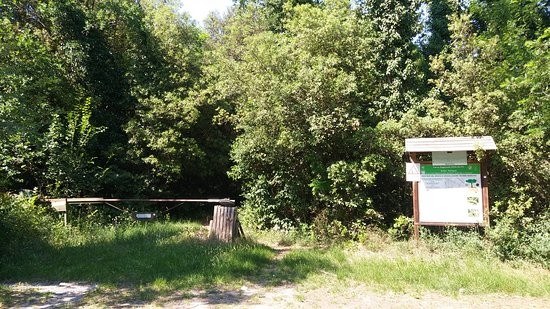
South of Bosco di Santa Giustina lies the Bosco della Mesola Nature Reserve, the largest forest in the Ferrara area. It stands on ancient sand dunes and is home to typical Mediterranean scrub vegetation. The rare Mesola deer lives here; as the sole descendant of the Italian deer, it is now a protected species. The area open to visitors offers three marked trails that allow you to easily explore the reserve.
Step 3
La Pineta di Volano
Pineta Demaniale of Po di Volano, part of the Po di Volano Nature Reserve, covers 170 hectares along 6 km of sandy shore formed by marine sand deposits. Reforested in the 1930s with maritime and italian stone pines, it was restored after the damage caused by the 1966 flood. Tamarisk grows among the coastal vegetation, while the fauna includes herons, egrets, coots, mallards, and fallow deer.
A few kilometers from Castello della Mesola, Bosco di Santa Giustina (or Bosco della Fasanara) stretches for about 4 km from Po di Goro to Torre Abate. It is one of the last lowland forests in the Po Delta, with holm oaks, english oaks, and ash trees and lush undergrowth thanks to the absence of ungulates.
South of Bosco di Santa Giustina lies the Bosco della Mesola Nature Reserve, the largest forest in the Ferrara area. It stands on ancient sand dunes and is home to typical Mediterranean scrub vegetation. The rare Mesola deer lives here; as the sole descendant of the Italian deer, it is now a protected species. The area open to visitors offers three marked trails that allow you to easily explore the reserve.
Step 3
La Pineta di Volano
Pineta Demaniale of Po di Volano, part of the Po di Volano Nature Reserve, covers 170 hectares along 6 km of sandy shore formed by marine sand deposits. Reforested in the 1930s with maritime and italian stone pines, it was restored after the damage caused by the 1966 flood. Tamarisk grows among the coastal vegetation, while the fauna includes herons, egrets, coots, mallards, and fallow deer.