Cento
A small capital of art, cuisine, and commerce, renowned for Guercino’s paintings and for its exuberant Carnival.
City of art, culture and tradition
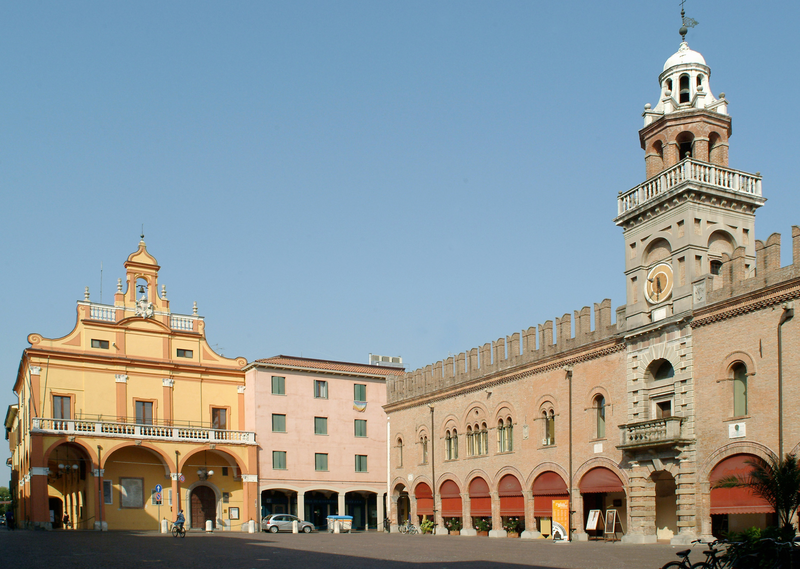
Cento, located between Ferrara, Bologna and Modena, is a unique city where cultural, artistic and food traditions blend harmoniously with many different historical identities. It is renowned as the "small capital of art" because painter Giovan Francesco Barbieri, also known as Guercino was born there, and also because of its spectacular Carnival.
The city stands out for its elegant "portici", that lead visitors through its historical centre. Cento's origins are ancient, most likely related to the Roman centuriation, from which the city gets its name. Although there isn't any official documentation, Cento's roots dig into the Middle Ages: at first it was part of the dominion of the Bishop of Bologna from the 12th century, it was later ceded to the Este family by Pope Alexander VI as part of negotiations for the marriage of his daughter Lucrezia Borgia to Alfonso d’Este.
During the 15th and 16th century, Cento was going through an intense period of architectural, cultural and urban change. This time has left behind a heritage made of monuments, buildings and masterpieces that are still visible today. Evidence of the liberty enjoyed by the townsfolk is the institution of the Partecipanza, a system of land sharing, which came into being in the Middle Ages and still exists today.
Cento is also a land of celebration: its internationally renowned Carnival attracts thousands of visitors every year thanks to the float parade, music, colors and the lively athmosphere that surrounds the town.