2 Behind the door of the Ghetto
From Corso Martiri della Libertà, the itinerary winds through the medieval streets of the ancient Jewish ghetto to the MEIS, the National Museum of Italian Judaism and the Shoah.
Transport methods
THE START POINT OF ITINERARY IS CORSO MARTIRI DELLA LIBERTA'
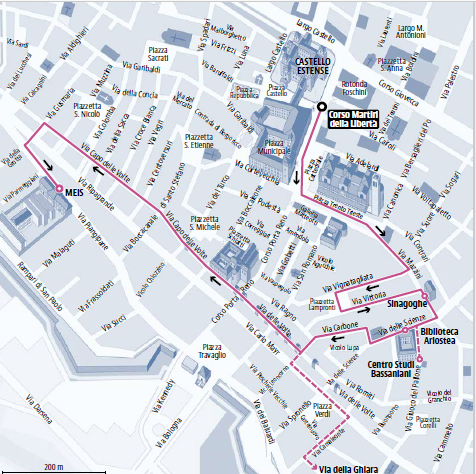
From Corso Martiri della Libertà, the itinerary winds through the medieval streets of the ancient Jewish ghetto to the MEIS, the National Museum of Italian Judaism and the Shoah.
Discover the itinerary
MEIS National Museum of Italian Judaism and the Holocaust
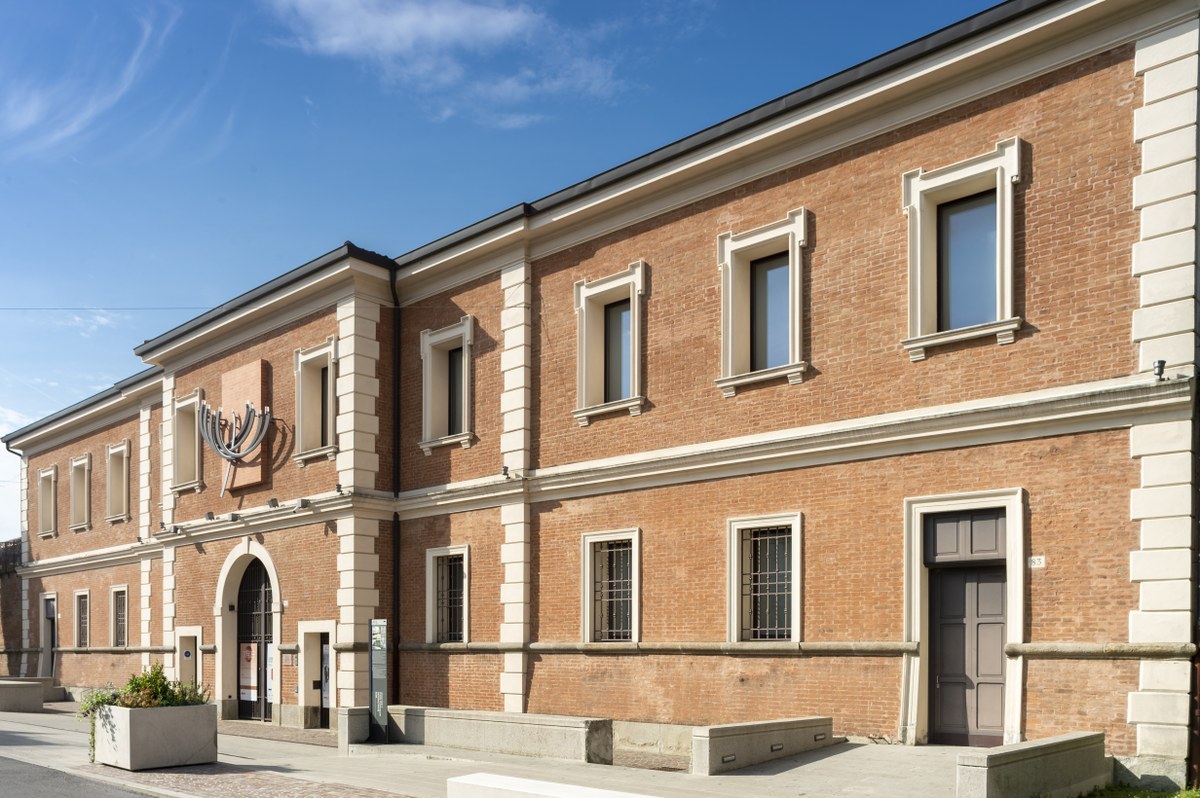
The National Museum of Italian Judaism and the Holocaust was established by the Parliament in order to offer the public the first organic presentation of the heritage and legacy of Italian Judaism, as well as an opportunity for sharing knowledge, history, identity and cultural tourism. The subject of its history is the vital and uninterrupted presence of Jews in Italy. The site chosen for the MEISwas at the former local prison complex in Via Piangipane, where Bassani was imprisoned in July 1943.

Via Mazzini
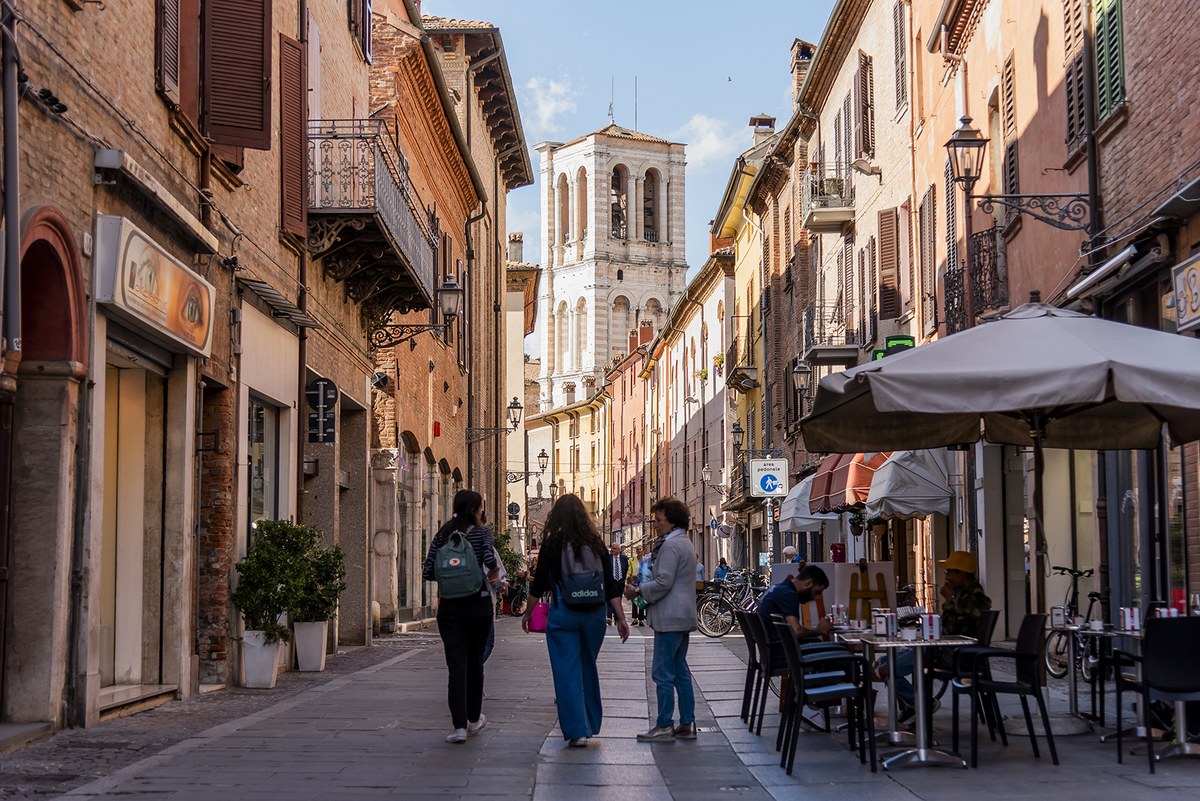
At the end of Piazza Trento Trieste is the start of Via Mazzini, the main street of the area where the Jewish Community lived, together with Via Vignatagliata and Via della Vittoria, which became the city’s Jewish ghetto starting from 1627. All the streets were delimited by gates that were closed at night to separate the Jewish Community from the rest of the citizens.At number 95 is the Synagogue complex, still the seat of the Jewish Community today.The name of this important street of the Jewish ghetto is recurrent in Giorgio Bassani’s work and also appears in the title of the third of the Five Stories of Ferrara, A Memorial Tablet in Via Mazzini.
Via Vignatagliata
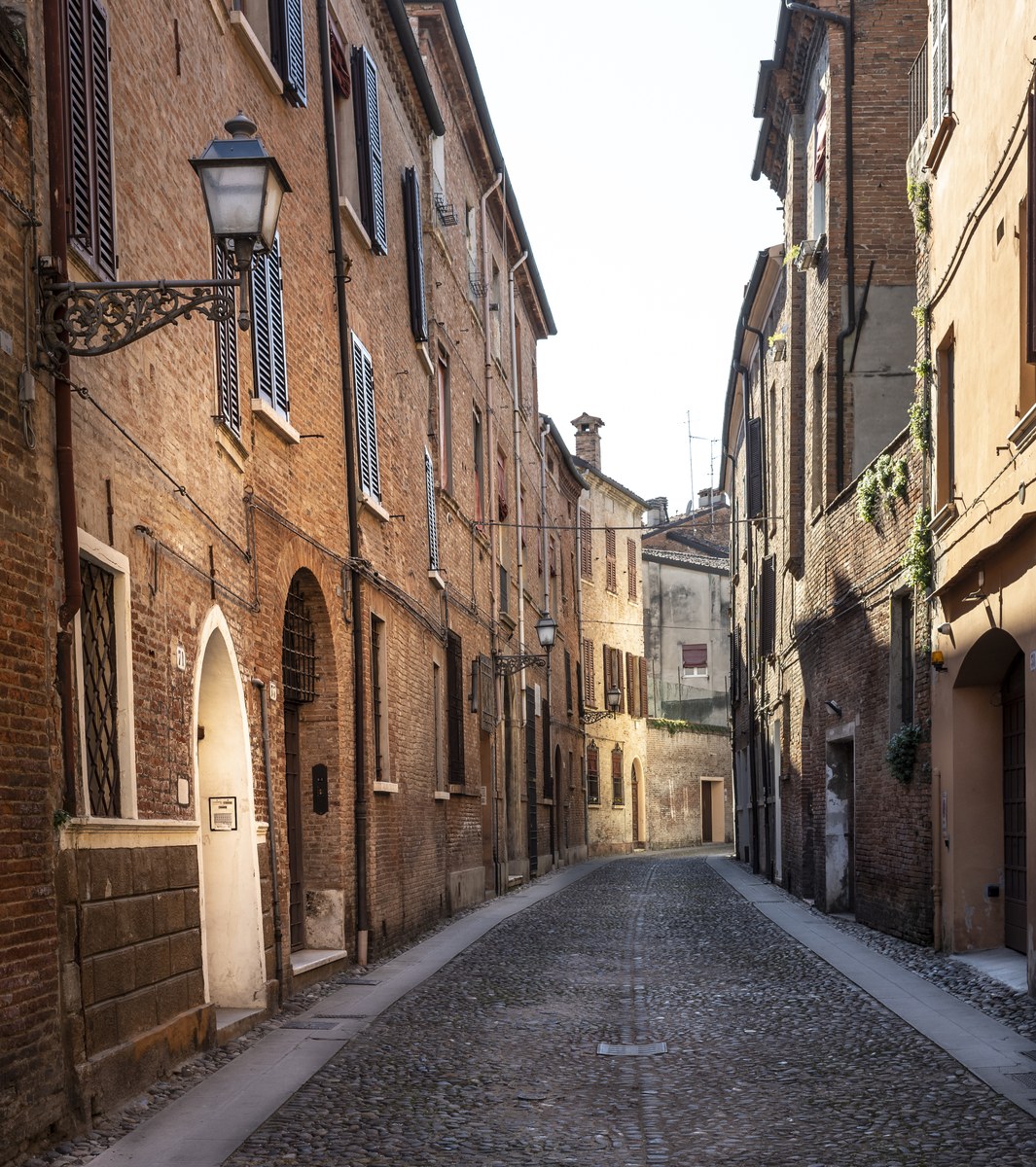
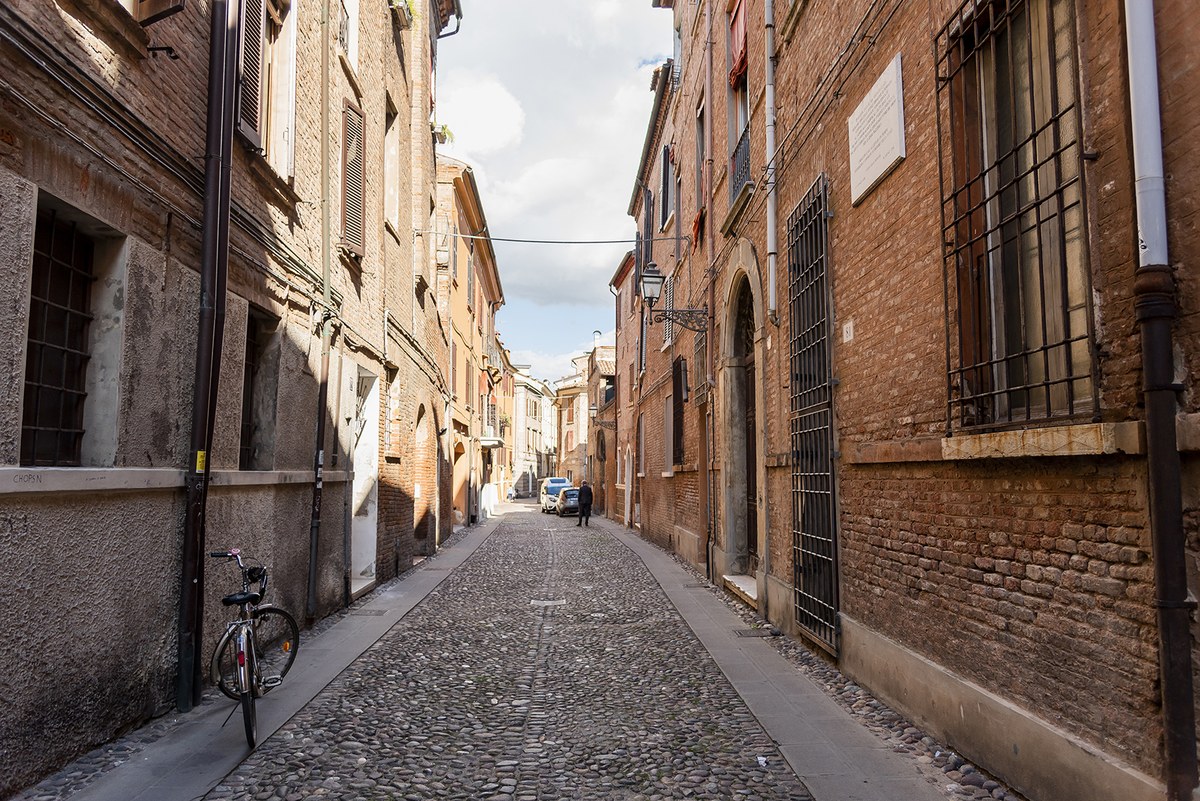
Via Vignatagliata is one of the oldest streets in the city and, together with Via della Vittoria, forms the residential area of the Jewish ghetto, with small buildings, internal courtyards and beautiful balconies.

Via Vittoria
This street is in the medieval centre that was part of the Jewish ghetto area. The Spanish Synagogue (Sephardic rite) or Spanish School was located at number 41, which was destroyed by the Nazi-allied Fascists in 1944.

Biblioteca Ariostea
The Ariostea Library, named after Ludovico Ariosto, houses the funeral monument of the great author of Orlando Furioso, as well as the autograph manuscript of The Garden of the Finzi-Contini.

Bassani Study Centre
A group of buildings which once belonged to the Del Sale (or Dal Sale) family in the fourteenth century, Casa Minerbi-Dal Sale has both 14 th -century and contemporary elements. The decorative frescoes of the Salone dei Vizi e delle Virtù (Hall of Vices and Virtues) and the Sala degli Stemmi (Hall of Coats of Arms) are striking.Thanks to the donations made by Portia Anne Prebys to the Municipality of Ferrara, Casa Minerbi-Dal Sale has been the headquarters of the Bassani Research Centre since 2016.

MEIS National Museum of Italian Judaism and the Holocaust
The National Museum of Italian Judaism and the Holocaust was established by the Parliament in order to offer the public the first organic presentation of the heritage and legacy of Italian Judaism, as well as an opportunity for sharing knowledge, history, identity and cultural tourism. The subject of its history is the vital and uninterrupted presence of Jews in Italy. The site chosen for the MEISwas at the former local prison complex in Via Piangipane, where Bassani was imprisoned in July 1943.

Via Mazzini
At the end of Piazza Trento Trieste is the start of Via Mazzini, the main street of the area where the Jewish Community lived, together with Via Vignatagliata and Via della Vittoria, which became the city’s Jewish ghetto starting from 1627. All the streets were delimited by gates that were closed at night to separate the Jewish Community from the rest of the citizens.At number 95 is the Synagogue complex, still the seat of the Jewish Community today.The name of this important street of the Jewish ghetto is recurrent in Giorgio Bassani’s work and also appears in the title of the third of the Five Stories of Ferrara, A Memorial Tablet in Via Mazzini.
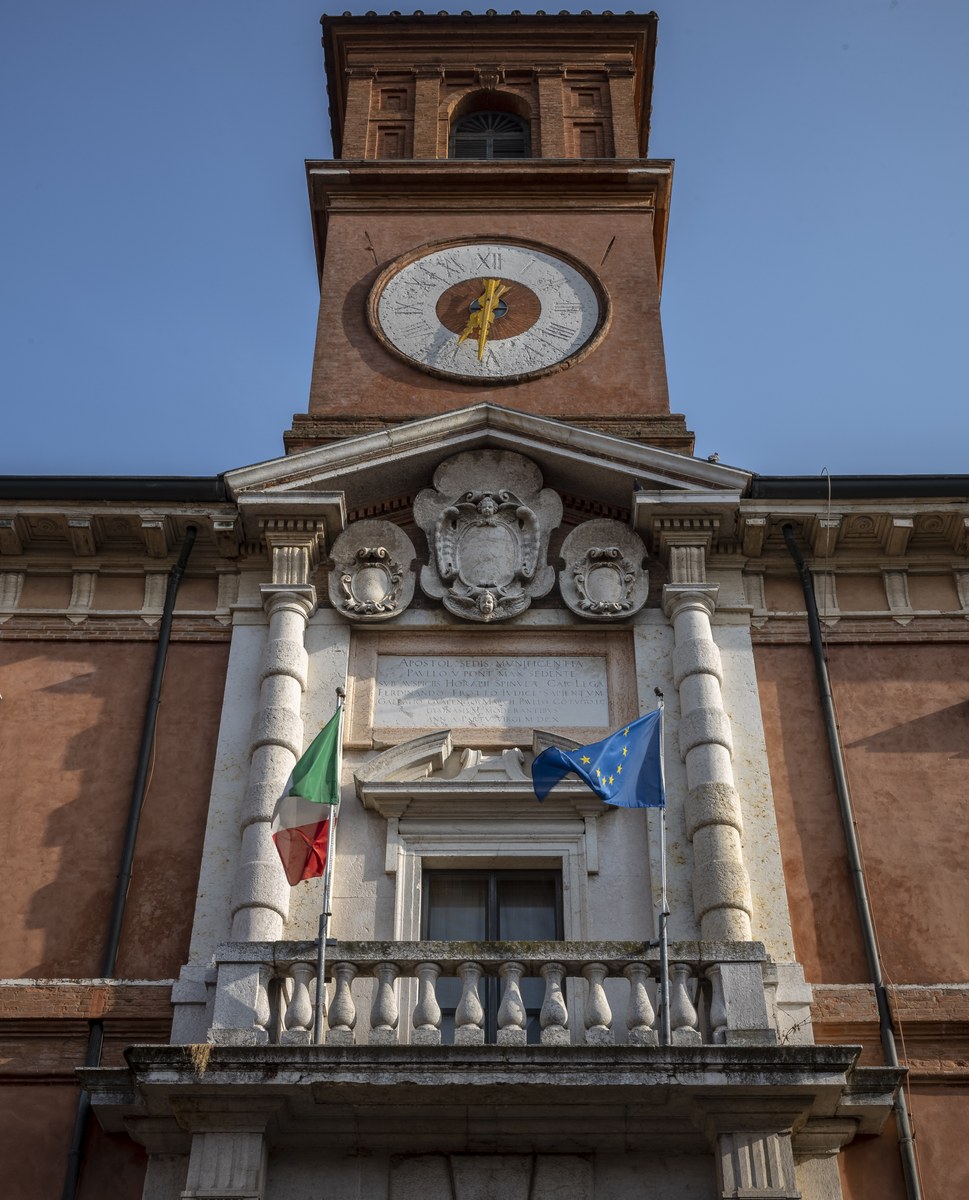
Via Vignatagliata
Via Vignatagliata is one of the oldest streets in the city and, together with Via della Vittoria, forms the residential area of the Jewish ghetto, with small buildings, internal courtyards and beautiful balconies.

Via Vittoria
This street is in the medieval centre that was part of the Jewish ghetto area. The Spanish Synagogue (Sephardic rite) or Spanish School was located at number 41, which was destroyed by the Nazi-allied Fascists in 1944.

Biblioteca Ariostea
The Ariostea Library, named after Ludovico Ariosto, houses the funeral monument of the great author of Orlando Furioso, as well as the autograph manuscript of The Garden of the Finzi-Contini.

Bassani Study Centre
A group of buildings which once belonged to the Del Sale (or Dal Sale) family in the fourteenth century, Casa Minerbi-Dal Sale has both 14 th -century and contemporary elements. The decorative frescoes of the Salone dei Vizi e delle Virtù (Hall of Vices and Virtues) and the Sala degli Stemmi (Hall of Coats of Arms) are striking.Thanks to the donations made by Portia Anne Prebys to the Municipality of Ferrara, Casa Minerbi-Dal Sale has been the headquarters of the Bassani Research Centre since 2016.

MEIS National Museum of Italian Judaism and the Holocaust
The National Museum of Italian Judaism and the Holocaust was established by the Parliament in order to offer the public the first organic presentation of the heritage and legacy of Italian Judaism, as well as an opportunity for sharing knowledge, history, identity and cultural tourism. The subject of its history is the vital and uninterrupted presence of Jews in Italy. The site chosen for the MEISwas at the former local prison complex in Via Piangipane, where Bassani was imprisoned in July 1943.