National Archaeological Museum
Timetable
9.30-17.00. (Ticket office closes at 16.30).
Closed on Monday.
Closed December 25th, January 1st.
Prices
- Full price € 6,00
- Reducted € 2,00 (visitors aged 18 - 25).
- Only garden: € 1,00.
- Free:
- Up to age 18
- Tourist guides
- Disabled persons with one accompanying person
- MyFe card holders
Free entrance 1st Sunday of each month.
Discover MyFe card
Accessibile to people with disabilities.
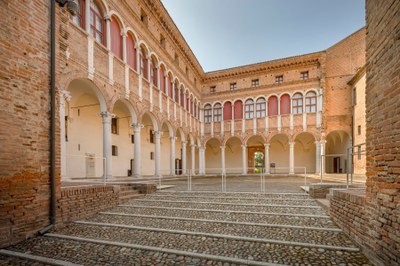
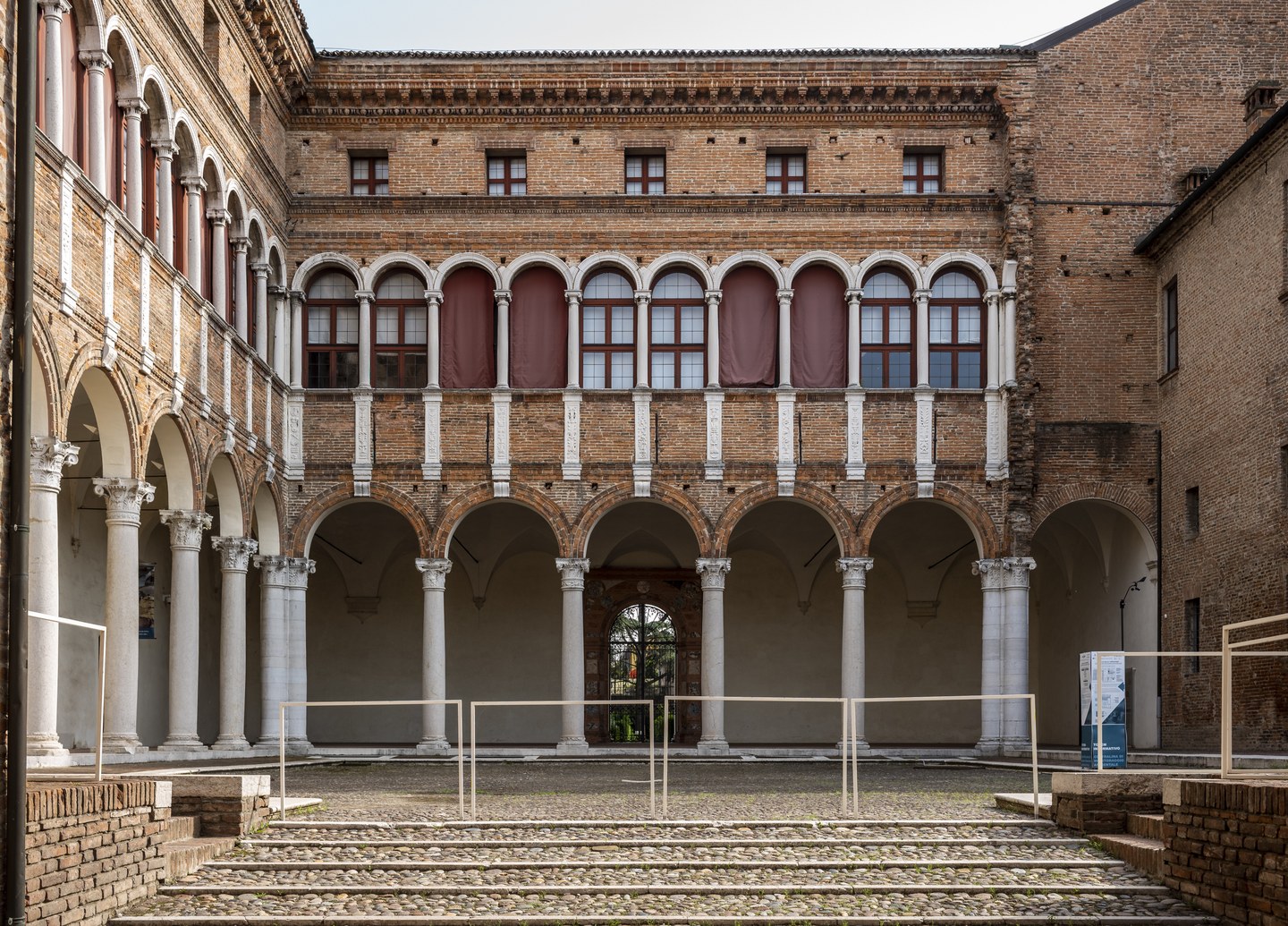
The museum, housed in the Palazzo Costabili, exhibits the findings of the Etruscan city of Spina which flourished from the 6th to the 3rd century B.C. and survived until the first centuries A.D.
After it was submerged by the water of the Po Delta, it became just a legendary name for centuries, until, at the beginning of the 20th century, the first necropolises were brought to light again by land reclamation works. Archaeological excavations have since unearthed of thousands of graves. In the second half of the 20th century the site of the built-up area was identified.
The museum conserves various types of objects, many of them of excellent artistic quality. The abundance of sets of objects for symposium of Athenian origin bears witness to the city’s close cultural links with Greece. In fact, the Greeks counted the inhabitants of Spina among their fellow citizens. In the port of Spina, an important trading centre, goods from all over the known world, from northern Europe to the coast of Africa, used to arrive and a considerable wealth spread among its inhabitants.
Objects are divided by sets, that is there are grouped together according to the burial grounds they came from. Particularly fascinating are the large Attic symposium vases upon which are depicted scenes of daily life, mythological scenes, or scenes depicting the Trojan war.
Alongside these richly decorated objects are others for more ordinary use, and other objects, such as candelabras, tripods, stands, mostly in bronze, were made by the Etruscans.
Small dogs are allowed if they can be held in their owner's arms or in a carrier.
SALA DEGLI ORI The Hall of Gold Jewellery
It is a fitting complement to the exhibition of grave furniture from the Spina necropolis. The refined, innovative exhibition setting was developed by the Emilia-Romagna Archaeological Heritage Bureau with the technical assistance of jewellers Bulgari.
The goldsmith workshops of Spina, mainly dating from the end of the 5th century BC, testify to a period of generalized affluence in this Etruscan port. They also demonstrate the masterful craftsmanship of its goldsmiths. Gold, silver, amber, semi-precious stones and vitreous glass paste were the materials most prevalently used. In the darkness of the tombs they reflected the power of their owners and the pomp and ceremony that surrounded their use in everyday ritual or on special occasions.
The Neo-Renaissance garden
Contacts
XX Settembre, 124 - 44121 Ferrara (Italia)
Itineraries related to this point of interest